
Regular Lawn Mowing for a Perfect Yard
- Adam Qureshi

- Aug 9, 2025
- 4 min read
Maintaining a beautiful yard requires consistent effort, and one of the most important tasks is weekly lawn cutting. A well-manicured lawn not only enhances the curb appeal of your home but also promotes a healthy and vibrant outdoor space. Whether you have a small suburban lawn or a large garden, regular care can make a significant difference in the overall look and feel of your yard.
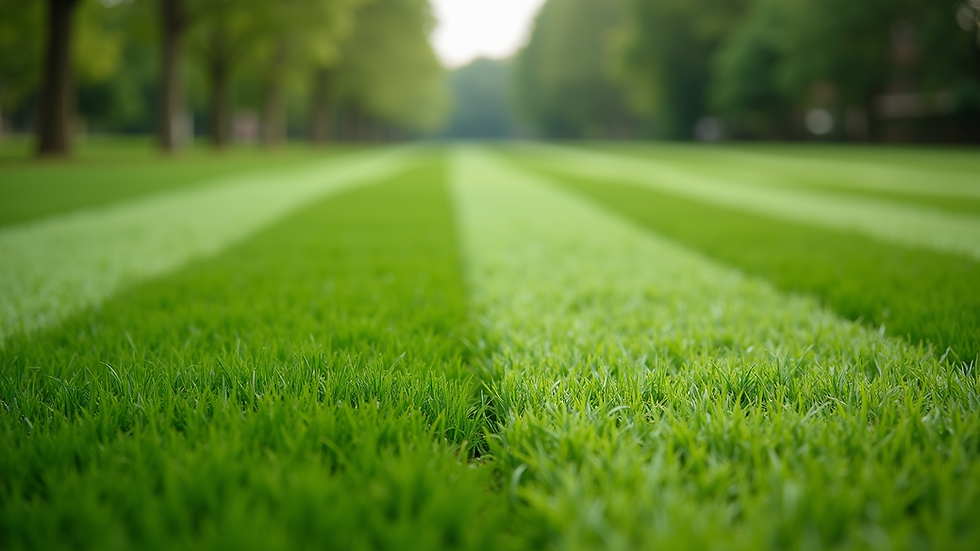
Why Weekly Lawn Cutting Matters
Weekly lawn cutting is essential for keeping your grass healthy and attractive. When you mow your lawn regularly, you prevent the grass from growing too tall, which can lead to uneven patches and an untidy appearance. Cutting the grass at the right height encourages strong root growth, making the lawn more resilient to drought and pests.
Here are some key benefits of weekly lawn cutting:
Improved Lawn Health: Regular trimming removes dead or diseased grass blades, allowing new growth to flourish.
Weed Control: Keeping grass short reduces the chances of weeds taking over your yard.
Enhanced Appearance: A neatly cut lawn looks well-maintained and inviting.
Pest Prevention: Short grass discourages pests like ticks and mosquitoes from settling in.
To get the best results, adjust your mower height according to the grass type and season. For example, during hot summer months, leave the grass slightly longer to protect roots from heat stress.
Best Practices for Weekly Lawn Cutting
To achieve a perfect yard, follow these practical tips for weekly lawn cutting:
Use a Sharp Mower Blade
A dull blade tears grass instead of cutting it cleanly, which can cause brown tips and increase vulnerability to disease. Sharpen your mower blades at least twice a season.
Mow When the Grass is Dry
Wet grass clumps and can clog your mower, leading to uneven cuts. Aim to mow in the morning after dew has evaporated or later in the afternoon.
Change Your Mowing Pattern
Avoid mowing in the same direction every time. Alternate your mowing pattern weekly to prevent soil compaction and encourage upright grass growth.
Don’t Cut More Than One-Third of the Grass Height
Cutting too much at once stresses the grass and slows growth. Trim only the top third of the grass blades for optimal health.
Leave Grass Clippings on the Lawn
Grass clippings act as natural fertilizer, returning nutrients to the soil. Use a mulching mower or leave clippings behind if they are not too thick.

Is it good to cut grass regularly?
Yes, cutting grass regularly is highly beneficial for maintaining a lush and healthy lawn. Frequent mowing encourages the grass to grow thicker and denser, which helps crowd out weeds and reduces bare spots. It also stimulates root development, making the lawn more drought-resistant and better able to absorb nutrients.
Regular mowing also helps you spot potential problems early, such as pest infestations or fungal diseases. By keeping the grass at an optimal height, you create an environment that supports beneficial insects and microorganisms.
However, it is important to balance frequency with proper technique. Over-mowing or cutting grass too short can damage the lawn and make it more susceptible to stress. The key is to mow often enough to maintain the ideal grass height without causing harm.
Tools and Equipment for Effective Weekly Lawn Cutting
Having the right tools makes weekly lawn cutting easier and more efficient. Here are some essentials:
Lawn Mower: Choose between a push mower, self-propelled mower, or riding mower depending on your yard size.
String Trimmer: Useful for trimming edges and hard-to-reach spots.
Lawn Edger: Creates clean borders along sidewalks and flower beds.
Rake: Helps collect grass clippings and leaves after mowing.
Protective Gear: Wear safety glasses, gloves, and ear protection during mowing.
Regular maintenance of your equipment is also crucial. Clean your mower after each use, check for loose parts, and schedule blade sharpening to keep everything in top condition.

How to Incorporate Regular Lawn Mowing into Your Yard Care Routine
Incorporating regular lawn mowing into your yard care routine can be simple with a few strategies:
Set a Schedule: Pick a consistent day each week for mowing to build a habit.
Monitor Growth: Adjust mowing frequency based on how fast your grass grows, which can vary with weather and season.
Combine with Other Lawn Care Tasks: Coordinate mowing with watering, fertilizing, and aerating for comprehensive lawn health.
Hire Professionals if Needed: If time or equipment is a challenge, consider lawn care services that offer weekly mowing packages.
By making weekly lawn cutting a priority, you ensure your yard stays neat and healthy all year round.
Tips for Seasonal Lawn Care Alongside Weekly Mowing
Your lawn’s needs change with the seasons, so adapt your weekly lawn cutting routine accordingly:
Spring: Start mowing when grass reaches about 3 inches. Remove winter debris and apply fertilizer.
Summer: Raise mower height to protect grass from heat. Water deeply but less frequently.
Fall: Gradually lower mower height to prepare for winter. Rake leaves regularly.
Winter: Avoid mowing if grass is dormant or covered in frost.
Seasonal adjustments help maintain a strong lawn that recovers quickly and looks great throughout the year.
By following these guidelines for weekly lawn cutting and overall lawn care, you can enjoy a perfect yard that enhances your outdoor living space. Consistency, proper technique, and the right tools are the keys to success. Start today and watch your lawn transform into a lush, green haven.


Comments